


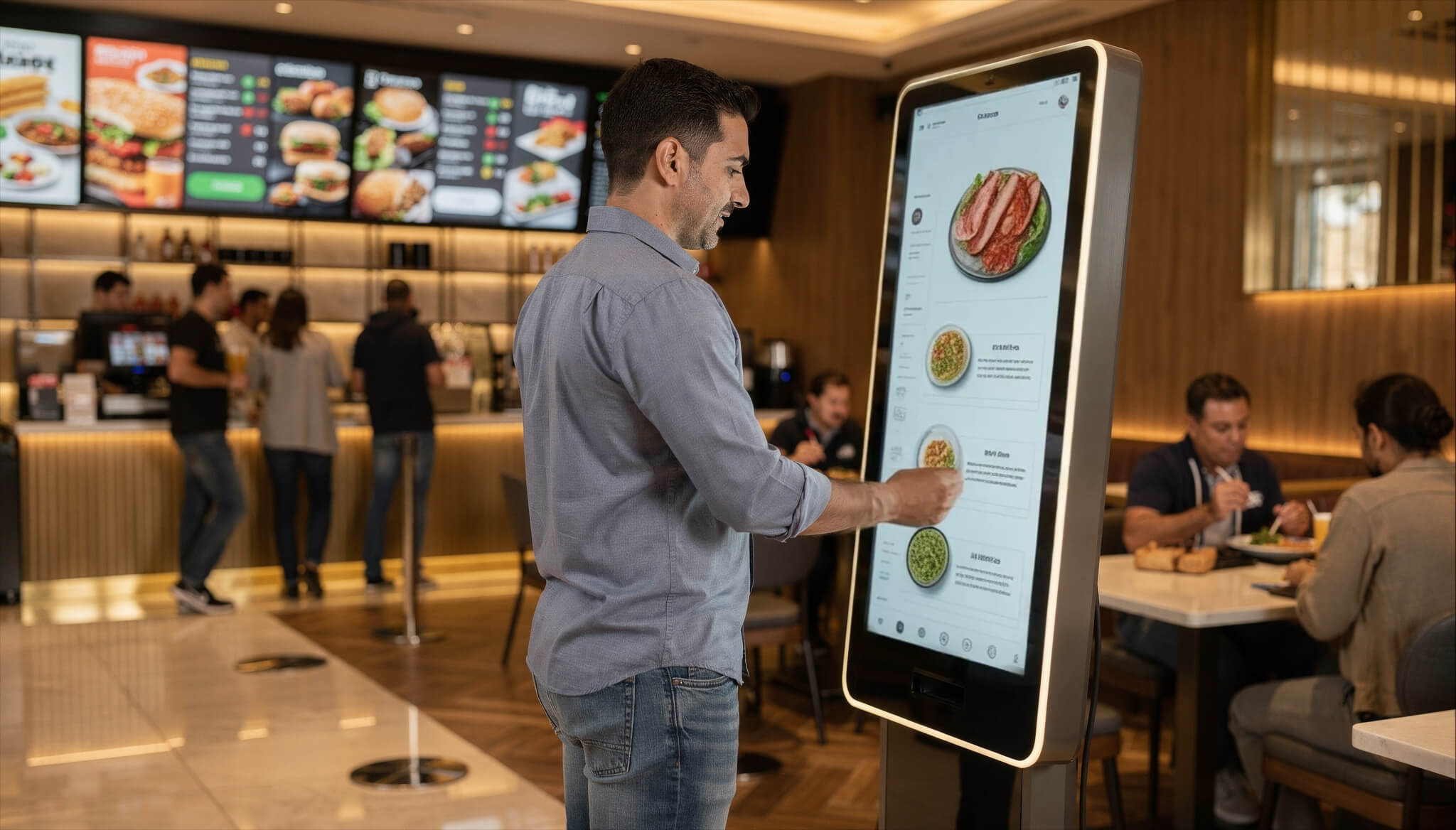

In today’s digitalization landscape, the boundary between the physical product and the digital interface has disappeared. Today we do not simply talk about machines, but about phygital ecosystems: solutions where hardware and software converge to create a unique, efficient, and connected experience.
For any company in the industrial sector, the Human-Machine Interface (HMI) is no longer an accessory panel; it is the critical point where productivity, safety, and end-user satisfaction are decided. As an agency specialized in phygital products, we understand that designing an HMI is not about "making buttons look good". It is about experience engineering. Below, we explore why investing in UX (User Experience) is the smartest financial decision an industry can make today.
The ROI of User Experience: Much More Than Aesthetics
One of the biggest myths in the industrial sector is perceiving UX as an aesthetic expense. The reality is pragmatic: the return on investment (ROI) in usability is massive. It is estimated that every euro invested in UX can return between 10 and 100 euros by reducing operational errors, training times, and development rework.
Investing in a solid UX for industrial systems offers tangible benefits:
- Reduction of critical errors: A design that minimizes cognitive load prevents human failures that could cost thousands of euros in production halts.
- Optimization of learning: An intuitive interface allows an operator to master the machinery in hours, not weeks, eliminating bottlenecks in training.
- Loyalty and Brand Value: Companies that offer memorable hybrid (phygital) experiences ensure that 87% of customers remember and prefer them over the competition.
Keys to designing a high-performance HMI
For an industrial interface to be truly effective, it must be based on principles of human-centered design. Here we share some essential "tips" that we apply in our projects:
- Visual Hierarchy and Cognitive Load Control: In a plant environment, the operator is often under pressure. The interface should only show information relevant to the current context. Using a clean design (functional minimalism) helps critical data stand out, avoiding visual stress.
- Immediate Feedback: Every user action must have a clear response from the system. Whether it is a color change in a button or a sound alert, feedback reduces uncertainty and increases confidence in handling the technology.
- Adaptive and Multi-format Design: Modern industry demands mobility. A good HMI must be multi-format and multi-platform, functioning with the same precision on a 15-inch touch panel as on a remote supervision tablet.
Success Stories: When Phygital Strategy Becomes Reality
Our experience has allowed us to transform complex sectors through design. These are some examples of how the phygital vision generates results:
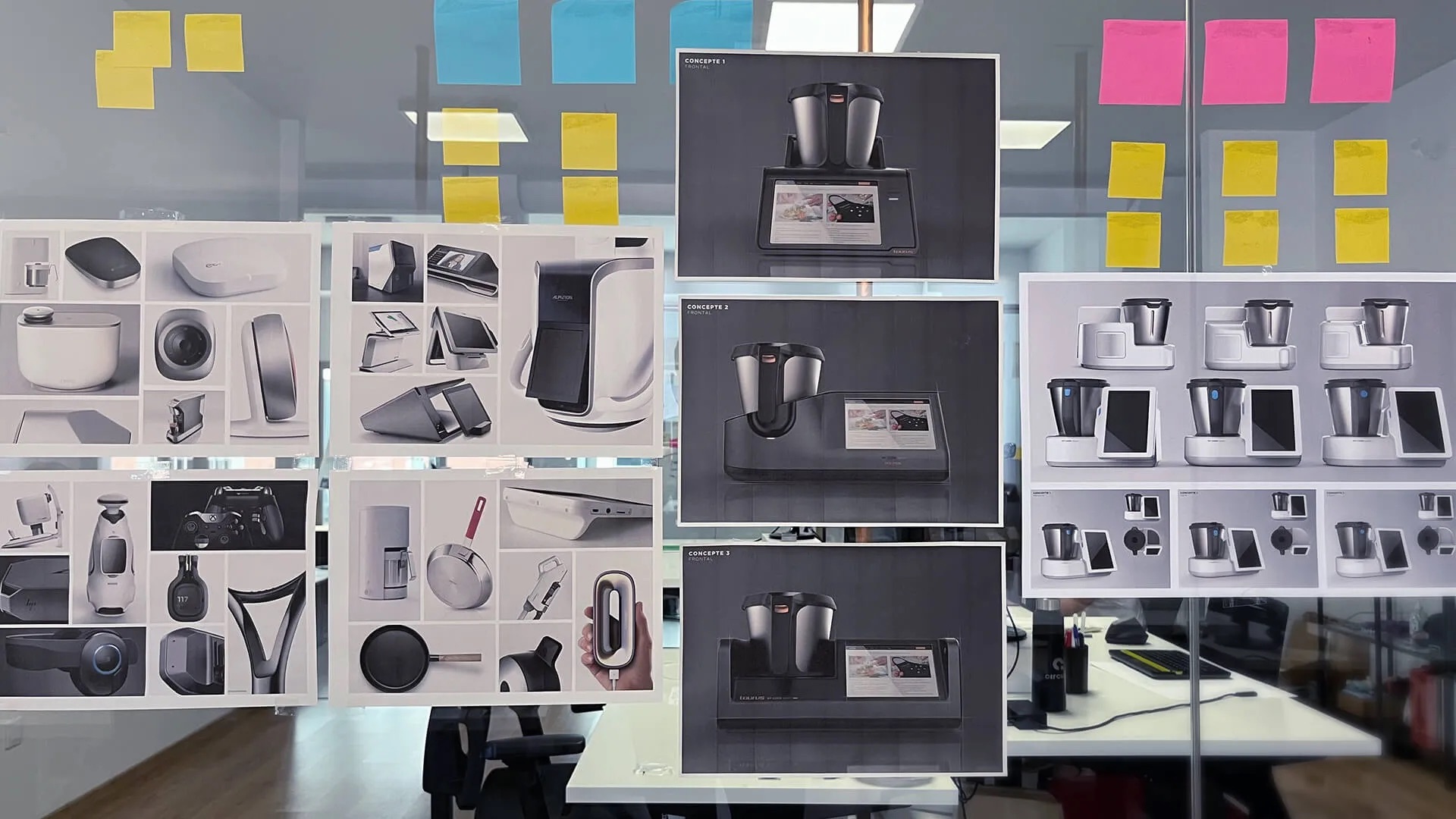
Taurus Mycook Next: The challenge was to redesign a professional kitchen icon by integrating IoT connectivity without losing the essence of the physical product. We created an experience ecosystem that unites the food processor with an advanced digital interface, fostering a brand community and improving healthy eating for users.

Sensocar (KRONOS): In the industrial weighing sector, precision is vital. We developed an adaptive and customizable interface that manages complex electronic signals intuitively. The result is a cutting-edge look and feel that positions Sensocar as a benchmark in quality and technological precision.

i2CAT: We collaborated with this research center in the creation of proofs of concept for 5G-based urban mobility. We designed interfaces that show the potential of holographic communications and real-time intelligent traffic control, paving the way for the cities of the future.
2026 Trends: The future of industrial interaction
Toward 2026, HMI design will evolve toward even more intelligent systems. We will see the rise of sentient and multimodal interfaces (voice, gestures, and gaze) that anticipate the operator's needs through generative AI. Furthermore, digital sustainability will be mandatory: designing lighter interfaces that consume less energy will not only be an ethical decision but a competitive advantage in operational efficiency.
