


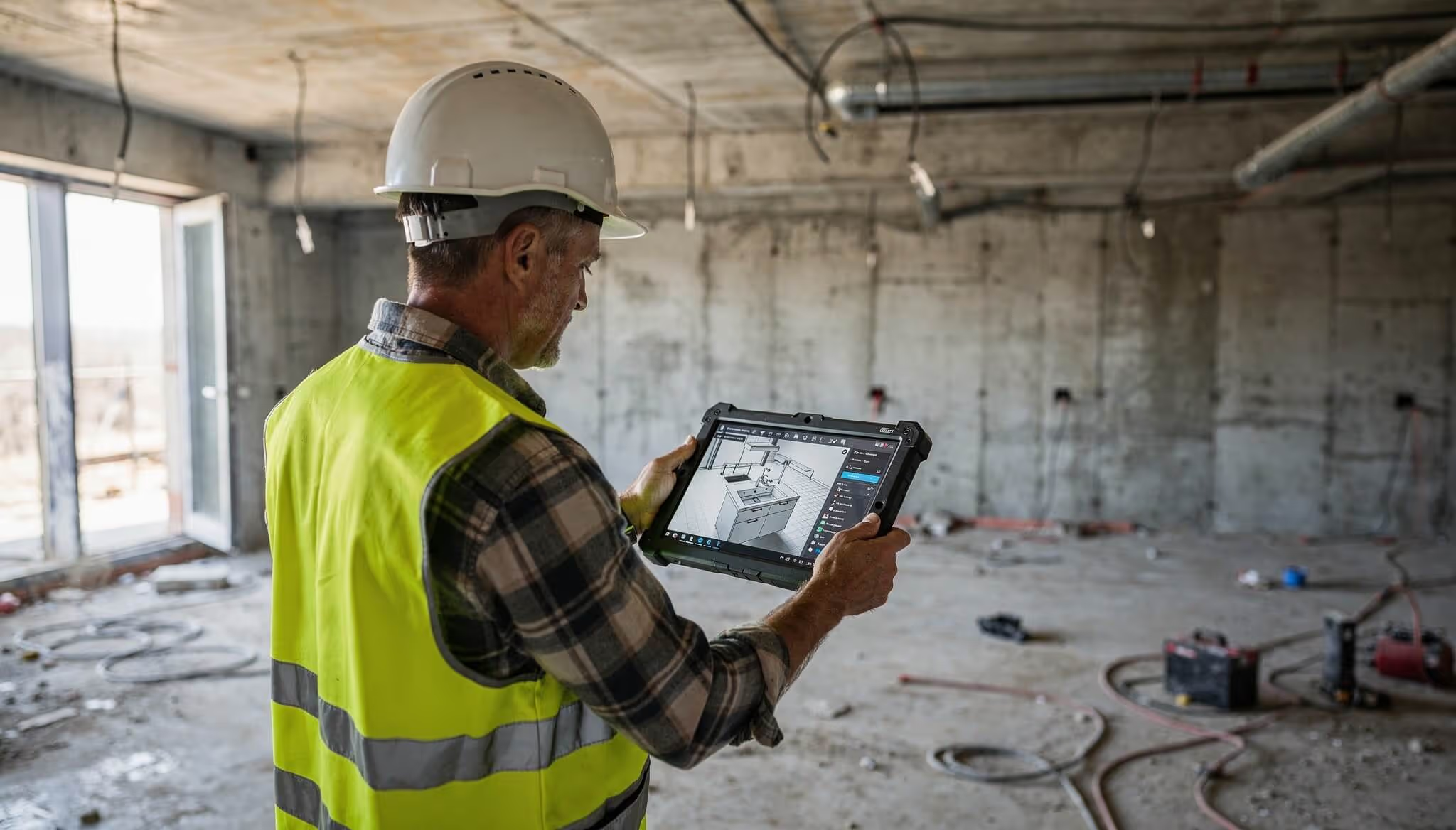

The BIM2HAB project—driven by AMBIT, AEICE, HABIC, and the Construction Cluster—is bridging the gap between home furnishing and contract companies and the world of industrialized construction. The initiative promotes collaboration with building stakeholders to adopt BIM standards, enabling seamless interoperability with manufacturing and assembly systems.
A Shift Toward Scalability
The construction sector is currently facing a clear challenge: moving from the occasional integration of industrialized solutions to a truly scalable model to accelerate housing production. In this mission to align construction techniques with modular assembly, the habitat sector is a key player, providing essential interior equipment for industrialized building modules.
This integration is more than just an operational shift; it requires a cultural and methodological change. Industrialization means moving toward product systems that are:
- Repeatable
- Parameterizable
- Assemblable
Achieving this requires aligning all stakeholders, sharing information standards, and building environments of trust to facilitate collaboration across the entire value chain.
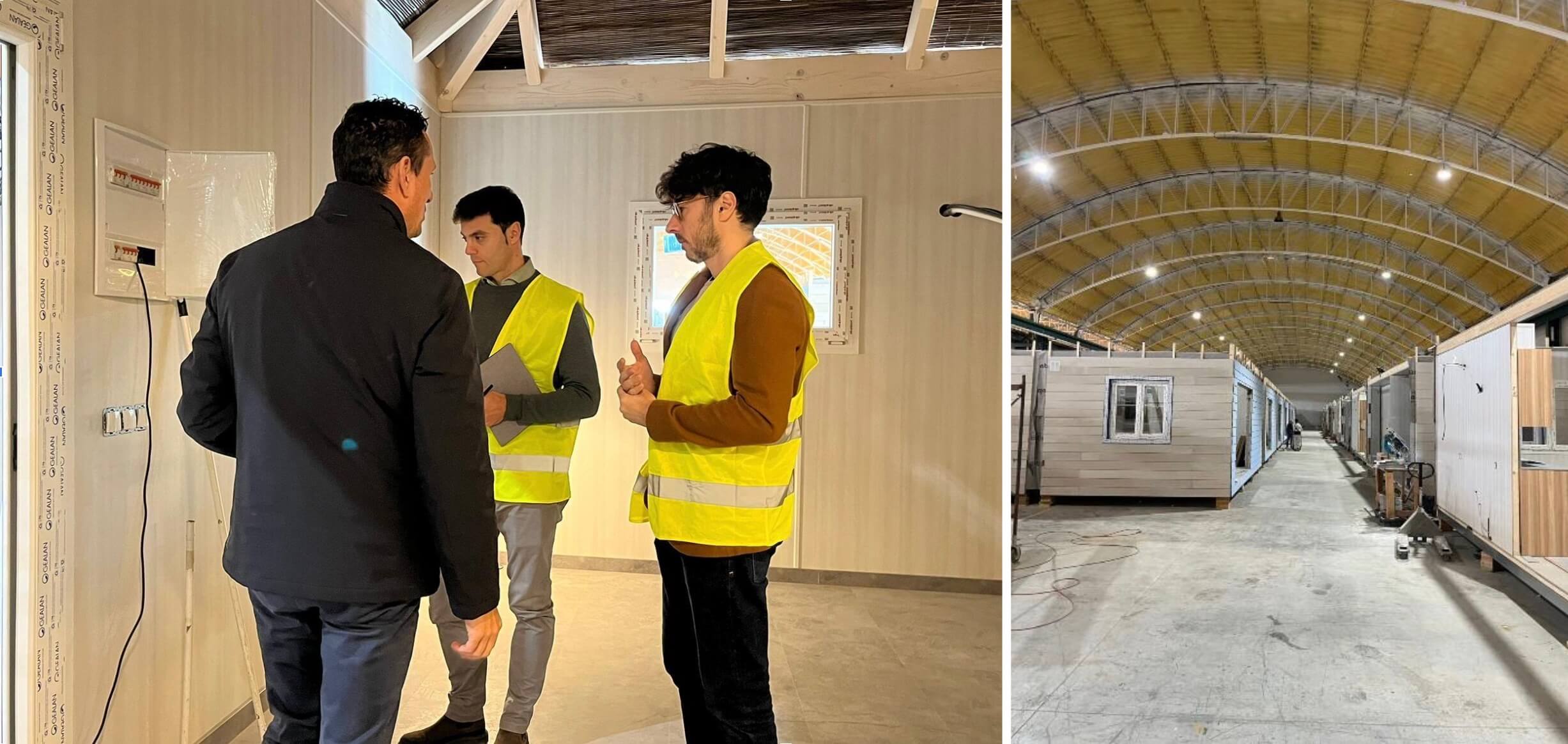
A Double Opportunity for the Habitat Sector
The habitat industry has a unique opportunity to:
- Become a major player in housing industrialization by providing specialized interior solutions.
- Increase digitalization within industrialized construction environments through interoperable BIM libraries.
BIM methodology is indispensable for the standardization, traceability, and control required in this field. Under this premise, AMBIT leads BIM2HAB to create a digital environment for the integration and interoperability of industrialized products.
BIM2HAB: Design for Manufacturing and Assembly (DfMA)
The heart of the project is a BIM configurator for industrialized modules. This platform serves as a collaborative hub for architects, assemblers, and manufacturers, allowing them to:
- Parameterize modules based on finishes, components, and dimensional constraints.
- Integrate essential elements such as kitchens, bathrooms, cladding, and lighting from the initial design phase as parametric elements.
- Define manufacturing constraints, moving beyond simple geometry to include technical specifications and tolerances.
By focusing on DfMA (Design for Manufacturing and Assembly), the project ensures that the entire supply chain works within a common framework. This collaboration has a direct, positive impact on both the costs and execution times of industrialized housing projects.
